Top Nutrition Trends for Optimal Muscle Preservation

Maintaining muscle mass is crucial for overall health, especially as we age. With the rise of fitness culture and an increasing awareness of nutrition, several trends have emerged that focus on optimal muscle preservation. This blog post will explore these trends, providing insights and practical tips to help you incorporate them into your lifestyle.

Understanding Muscle Preservation
Muscle preservation refers to the strategies and practices aimed at maintaining muscle mass and strength. This is particularly important for older adults, athletes, and anyone looking to improve their physical performance. Muscle loss can lead to decreased mobility, increased risk of injury, and a decline in overall health.
The Importance of Protein
Protein is the building block of muscle. Consuming adequate amounts of protein is essential for muscle repair and growth. The current recommendation for protein intake varies, but many experts suggest aiming for 1.2 to 2.2 grams of protein per kilogram of body weight per day, depending on activity level.
High-Quality Protein Sources
Not all proteins are created equal. Here are some high-quality protein sources to consider:
Lean meats: Chicken, turkey, and lean cuts of beef provide essential amino acids.
Fish: Salmon and tuna are not only high in protein but also rich in omega-3 fatty acids, which support muscle health.
Dairy: Greek yogurt and cottage cheese are excellent sources of protein and calcium.
Plant-based proteins: Lentils, chickpeas, and quinoa are great options for vegetarians and vegans.
The Rise of Plant-Based Diets
Plant-based diets have gained popularity in recent years, and for good reason. These diets are not only beneficial for the environment but can also support muscle preservation when planned correctly.
Key Components of a Plant-Based Diet for Muscle Preservation
Diverse Protein Sources: Incorporate a variety of plant proteins to ensure you get all essential amino acids. Combining foods like rice and beans can create a complete protein profile.
Nutrient Density: Focus on whole foods like fruits, vegetables, nuts, and seeds, which provide vitamins and minerals essential for muscle function.
Supplementation: Consider supplements like pea protein or hemp protein if you struggle to meet your protein needs through food alone.
Timing Your Nutrient Intake
Nutrient timing refers to the strategic consumption of nutrients around workouts to maximize muscle recovery and growth.
Pre-Workout Nutrition
Before exercising, aim to consume a meal or snack that includes both carbohydrates and protein. This can help fuel your workout and prepare your muscles for the stress they will endure.
Examples of Pre-Workout Snacks:
A banana with almond butter
Greek yogurt with berries
A protein smoothie with spinach and oats
Post-Workout Nutrition
After your workout, it’s crucial to replenish your body with protein and carbohydrates. This helps repair muscle tissue and replenish glycogen stores.
Examples of Post-Workout Meals:
Grilled chicken with sweet potatoes
A protein shake with a piece of fruit
Quinoa salad with black beans and avocado
The Role of Supplements
While whole foods should be the foundation of your diet, certain supplements can support muscle preservation.
Popular Supplements for Muscle Preservation
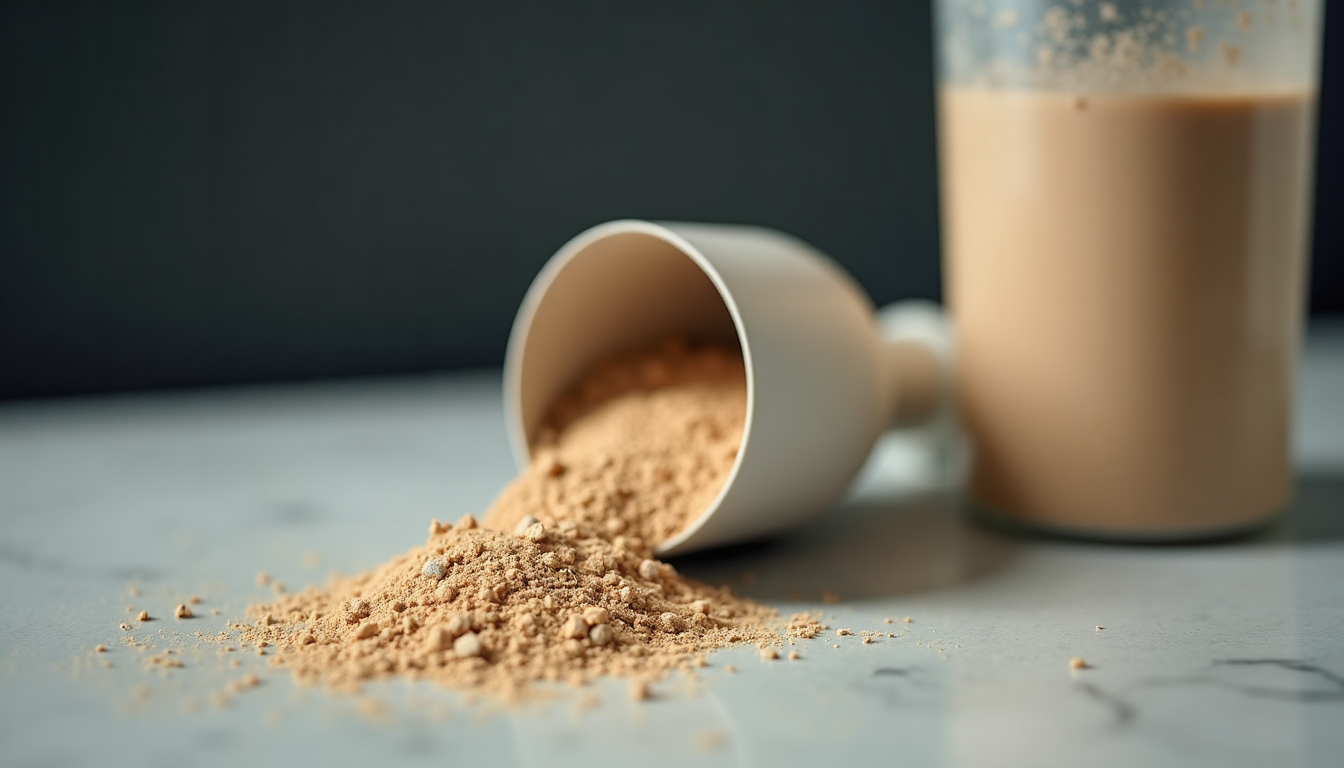
Whey Protein: A fast-digesting protein that can help with muscle recovery post-workout.
Creatine: Known for enhancing strength and muscle mass, creatine can be beneficial for those engaging in high-intensity training.
Branched-Chain Amino Acids (BCAAs): These can help reduce muscle soreness and promote recovery.
Hydration and Muscle Health
Staying hydrated is often overlooked but is essential for muscle function. Dehydration can lead to decreased performance and increased risk of injury.
Tips for Staying Hydrated
Drink water throughout the day: Aim for at least 8-10 cups of water daily, more if you are active.
Monitor your urine color: Light yellow usually indicates proper hydration.
Include hydrating foods: Foods like cucumbers, watermelon, and oranges can contribute to your daily fluid intake.
The Impact of Sleep on Muscle Preservation
Sleep is a critical component of muscle recovery. During sleep, the body repairs and builds muscle tissue, making it essential for anyone looking to preserve muscle mass.
Tips for Improving Sleep Quality
Establish a sleep routine: Go to bed and wake up at the same time every day.
Create a restful environment: Keep your bedroom dark, quiet, and cool.
Limit screen time before bed: The blue light emitted by screens can interfere with your ability to fall asleep.
Conclusion
Incorporating these nutrition trends into your lifestyle can significantly enhance your muscle preservation efforts. Focus on consuming high-quality proteins, consider a plant-based diet, time your nutrient intake effectively, stay hydrated, and prioritize sleep. By making these changes, you can support your muscle health and overall well-being.
Take the first step today by evaluating your current diet and making small adjustments. Remember, every little change counts towards achieving optimal muscle preservation.

Comments